Ceramic-to-Metal Hermetic Feedthroughs: Advantages and Uses
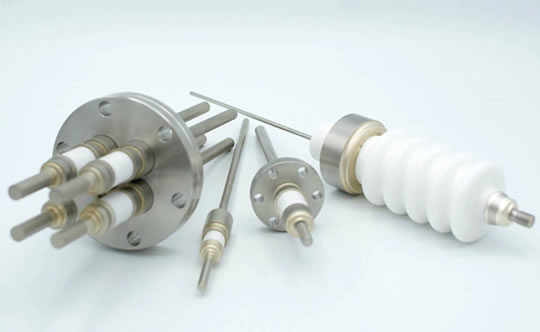
Are you looking for a reliable and efficient way to create a hermetic seal between a ceramic material and a metal component? Ceramic-to-metal hermetic feedthroughs may be the solution you need. In this article, we will explore the advantages and uses of these specialized components that are essential in various industries such as aerospace, medical, and semiconductors.
What are Ceramic-to-Metal Hermetic Feedthroughs?
Ceramic-to-metal hermetic feedthroughs are specialized components that provide a reliable and leak-tight seal between a ceramic material and a metal component. These feedthroughs are commonly used in applications where a high level of protection against moisture, gases, and other environmental factors is required. The unique design of ceramic-to-metal feedthroughs allows for a seamless transition between the ceramic and metal parts, ensuring a hermetic seal that is essential for sensitive electronic components and devices.
Advantages of Ceramic-to-Metal Hermetic Feedthroughs
- Reliability: One of the main advantages of ceramic-to-metal hermetic feedthrough is their high level of reliability. The hermetic seal created by these components ensures that sensitive electronics are protected from moisture, gases, and other contaminants that can lead to malfunction or failure.
- Durability: Ceramic-to-metal feedthroughs are highly durable and can withstand harsh environmental conditions, making them ideal for use in aerospace, medical, and other industries where reliability is crucial.
- Versatility: These feedthroughs come in a variety of shapes, sizes, and configurations, making them versatile for a wide range of applications. Whether you need a feedthrough for high-vacuum environments or high-pressure conditions, ceramic-to-metal feedthroughs can be customized to meet your specific requirements.
- Temperature Resistance: Ceramic-to-metal feedthroughs are known for their high temperature resistance, making them suitable for applications where extreme heat or cold is a concern. This temperature resistance ensures that the hermetic seal remains intact even in the most challenging environments.
Uses of Ceramic-to-Metal Hermetic Feedthroughs
- Aerospace: In the aerospace industry, ceramic-to-metal hermetic feedthroughs are used in critical systems such as avionics, satellite communication systems, and radar equipment. These feedthroughs provide a reliable seal that protects sensitive electronics from the harsh conditions of space and high altitudes.
- Medical: In the medical industry, ceramic-to-metal feedthroughs are essential for medical devices such as pacemakers, implantable defibrillators, and hearing aids. The hermetic seal created by these components ensures that the internal electronics remain protected from bodily fluids and other contaminants.
- Semiconductors: In the semiconductor industry, ceramic-to-metal feedthroughs are used in vacuum systems, plasma chambers, and other high-tech applications. These feedthroughs provide a leak-tight seal that is essential for maintaining the purity of the process gases and preventing contamination of sensitive semiconductor components.
In conclusion, ceramic-to-metal hermetic feedthroughs offer a wide range of advantages and applications in various industries where reliable and leak-tight seals are essential. Their durability, reliability, and temperature resistance make them an ideal choice for critical systems that require protection against moisture, gases, and other environmental factors. Whether you are working in aerospace, medical, or semiconductor industry, ceramic-to-metal feedthroughs can provide the hermetic seal you need for your sensitive electronic components and devices.